Kingdom Prayer

Welcome
Most of us have a complicated relationship with prayer.
We believe in it. We value it. We know we should do more of it. And yet, if we’re honest, our prayer life often feels like a recurring item on a to-do list that never quite gets done the way we intended—a few rushed minutes in the morning, a quick blessing over a meal, a desperate plea when something goes wrong.
Meanwhile, the battles in our lives feel very real.
A child drifting. A temptation lingering. A culture shifting. A heaviness we can’t quite name.
In Exodus 17, when Israel was attacked, Joshua fought in the valley—but Moses climbed the hill. As long as his hands were lifted in prayer, Israel prevailed. The victory below was tied to surrender above.
Prayer wasn’t preparation for the battle. Prayer was the battle.
The disciples eventually realized that about Jesus. They watched Him heal the sick, cast out demons, and command authority over death itself. And instead of asking for strategy or power, they asked the right question: “Lord, teach us to pray.”
Not give us a formula. Not hand us a script. Teach us.
That is still the right prayer.
Most of us are not currently praying the kinds of prayers that change families, churches, or nations. Not because we’re incapable. Scripture says you’ve been given everything necessary for life and godliness. The Spirit of God lives in you.
The reason we don’t pray this way is simpler: we haven’t learned how. We haven’t made it a priority. We haven’t lifted our eyes from temporary needs to eternal realities.
But you can learn.
This week, before your group time, sit quietly for a moment and pray: “God, teach me. Teach me to pray beyond comfort. Teach me to pray for Your kingdom. Lift my hands when they grow tired. I don’t want a casual prayer life. I want to learn to pray.”
Connect
Take a few minutes to discuss one or both of the following questions:
- What is something that spoke to you in last week’s devotional or something that you experienced with God this week that you would like to share with the group?
- Can you remember a time when you prayed and clearly saw God answer? What happened? And what was it like to experience that?
Watch
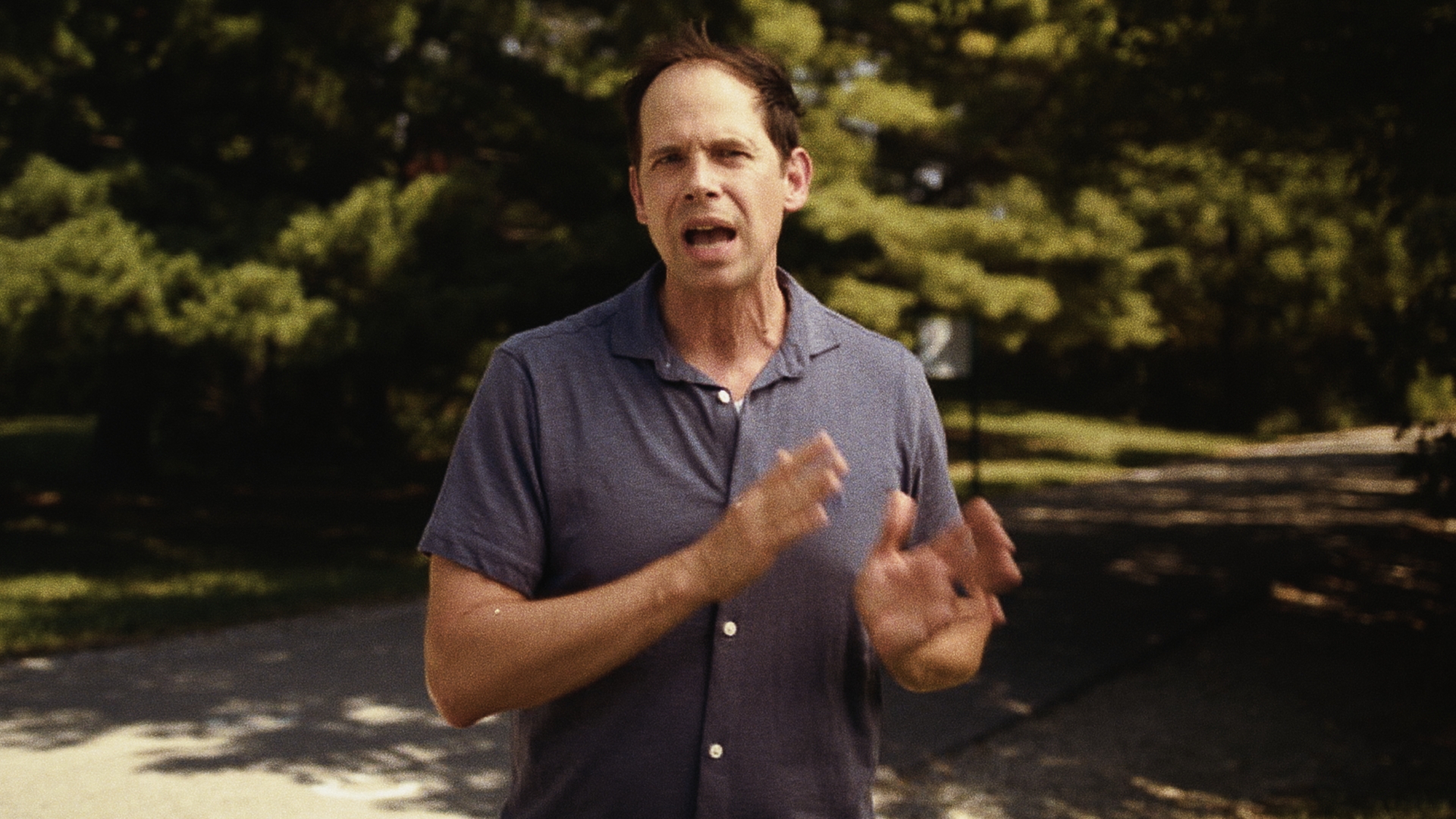
Watch the video, and write down anything that stands out, challenges you, or raises a question.
Discuss
- Have someone read Exodus 17:10–13 out loud. In the teaching we heard: “The visible battle was determined by the invisible battle. The outcome on the ground was decided in prayer.” What do you think it means that the visible battle is determined by the invisible one?
What battles in your life right now might need to be fought through prayer rather than effort alone? - Moses needed Aaron and Hur to hold his arms up when he was too tired to continue. Who are the “Aaron and Hur” in your life—people who strengthen your faith or pray for you when you’re discouraged? Who are you doing that for?
- Have someone read James 5:16–18. James goes out of his way to say Elijah was “a human being, just like us”—not a superhero, not a special category of saint. Why do you think James emphasizes that Elijah was “a human being just like us”? What does that reveal about how we tend to think about powerful prayer?
James describes our prayers as “powerful and effective.” Do you actually believe your prayers can be this powerful? What makes that hard to believe? - In the Lord’s Prayer, Jesus includes one petition for earthly needs (“daily bread”) and multiple petitions for eternal, kingdom matters—forgiveness, deliverance, God’s kingdom coming, his will being done.
Think about your own prayers. Do you spend more time praying about personal needs or about eternal things (salvation, spiritual growth, God’s kingdom, revival)? What might it look like for that balance to shift? - The leaders of the Great Awakenings were criticized for praying with too much emotion — weeping, falling to their knees, agonizing over souls. The critics called it emotionalism. The revival leaders called it seeing the world the way God sees it. What might help your prayer life become more passionate or urgent?
- Have someone read 2 Chronicles 7:14. How do the three things we’ve learned so far in this series (urgency and dependence, ongoing repentance, prayer) show up in this one verse?
“Heal their land” is national language. Do you believe that prayer (your prayer, this group’s prayer) could have an effect on something as large as a city or a nation? What makes that feel real or distant?
Pray
Close your time together in prayer.
- Start with a moment of silence. Let each person bring to mind one person they want to pray for who doesn’t know Christ.
- One by one, pray for that person out loud.
- Pray together for your city, your church, your nation — using the language of the teaching. Pray, as Jesus encouraged us: God, your kingdom come. Your will be done. Here. Now.
- Close by praying for revival – in your heart, in your group, and in your world.
This Week
- Who is one person you will pray for by name this week who doesn’t know Christ?
- Who could be your “Aaron and Hur”—someone who will pray with you or encourage you?
- What is one thing you’d like to ask God to teach you about prayer this week?