Ongoing Repentance


Welcome
When people study the Great Awakenings—seasons when entire cities were transformed, when bars emptied and churches filled, when crime dropped and families were restored—they often look for the secret.
Was it better preaching? Stronger leaders? Cultural alignment?
When you read the firsthand accounts, one theme surfaces again and again: Repentance.
Not hype. Not emotionalism. Not crowds.
Repentance.
In the First Great Awakening, people gathered not first to celebrate, but to confess. Diaries describe farmers weeping in fields. Businessmen closing shop early to make wrongs right. Churches holding prayer meetings where the dominant sound wasn’t applause, but sorrow over sin, followed by overwhelming joy.
Revival didn’t begin with noise. It began with broken ground.
Hosea 10:12 says, “Break up your fallow ground, for it is time to seek the Lord.”
Fallow ground is soil that has hardened over time. Rain compacts it. Sun bakes it. Seeds can’t penetrate it. From the surface, it looks fine. But nothing grows there.
Hearts can become like that. Not rebellious. Not dramatic. Just hard.
Busy schedules. Unconfessed compromise. Unchecked pride. Quiet drift.
The Word bounces off. Worship feels distant. Joy feels thin.
Repentance is the plow. It breaks up what’s hardened. And yes, plowing hurts. But nothing grows without it.
Every true awakening in history began with people who stopped managing their image and started confessing their sin. Not to wallow in shame, but to clear the pipes so God’s presence could flow again.
Repentance is not groveling. It’s turning from our sin and to God. It’s saying, “God, I’m sorry. I choose You again.”
When the ground softens, seeds take root. Joy returns. Power flows.
If you want revival—in your life, your family, your church, your nation—it will not begin with excitement. It will begin with honest repentance.
Break up the ground. It’s time to seek the Lord.
Connect
Take a few minutes to discuss one or both of the following questions:
- What is something that spoke to you in last week’s devotional or something that you experienced with God this week that you would like to share with the group?
- When you hear the word repentance, what emotion surfaces first: relief, shame, resistance, gratitude? Why?
Watch
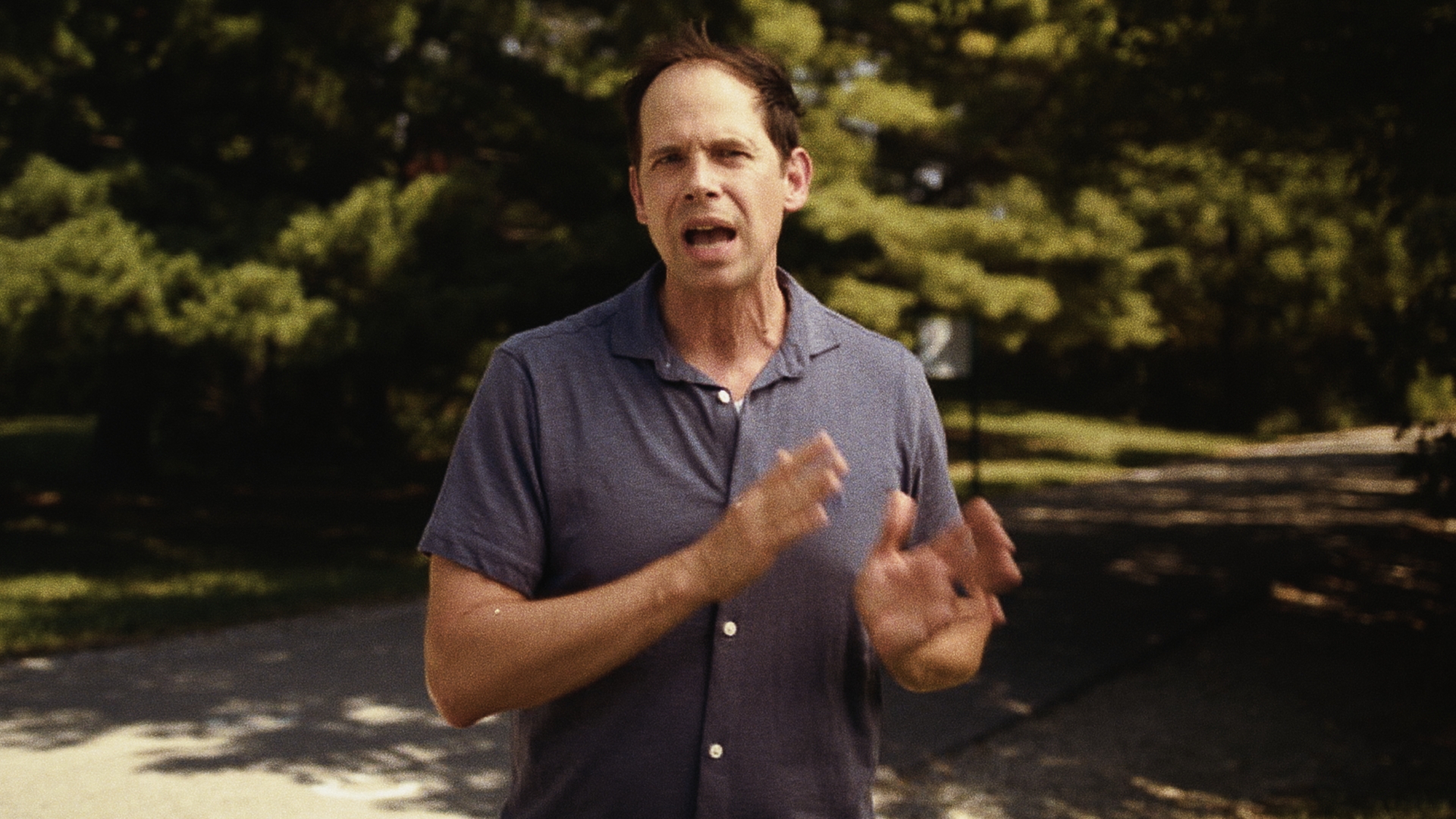
Watch the video, and write down anything that stands out, challenges you, or raises a question.
Discuss
- Invite someone to read Psalm 51:1–4. What stands out about the way David approaches God? What does he refuse to do, such as minimizing, justifying, or blaming? What does he actually ask God for? What might it look like for you to pray with that same kind of honesty this week?
- In the teaching, we heard the phrase, “Repentance is about relationship, not perfection.” How does your perspective change when repentance becomes “God, I choose You again,” instead of “God, I promise I’ll do better”? Which of those approaches has shaped your view of repentance in the past?
- The teaching compared unconfessed sin to a clogged pipe—it can block the flow of joy, peace, and closeness with God. Have you ever experienced something like that? What are some signs that your spiritual “flow” may be blocked? (For example: prayer feeling distant, increased irritability, loss of joy, less compassion for others.) What do you tend to do in those moments?
- Invite someone to read Hosea 10:12. The prophet calls God’s people to “break up your fallow ground.” What are some things that slowly harden a person’s heart toward God? (Habits, distractions, unresolved sin, busyness, pride, etc.)
Is there an area of your life where you sense God might be inviting you to let Him “plow” the ground again? - In John 21, Peter runs toward Jesus after his failure. When you sin or fall short, do you usually move toward God or pull away from Him? What might help you remember that grace is already waiting—that the fire is already burning and Jesus is ready to receive you?
- The teaching described repentance as a daily practice, not just a once-in-a-lifetime event. Each day we can ask, “God, is there anything that has come between me and You today?” and then bring it to Him for restoration. What would help you make that kind of reflection a regular part of your daily rhythm? When and where could you practice it?
Pray
Close your time together in prayer.
- Thank God that repentance is an invitation back into relationship, not a sentence of shame.
- Ask the Holy Spirit to gently reveal any hardened areas in your heart.
- Pray for courage not to hide, but confess quickly and return quickly.
- Ask God to restore joy where it has been blocked.
- Pray that your group would become a community marked not by perfection, but by humble, joyful repentance.
This Week
Write a letter to God modeled on Psalm 51. Make it honest, not eloquent. Include at least one specific thing you’ve been minimizing, rationalizing, or avoiding. End by asking for what David asked for: forgiveness and the restoration of joy. Next week, share one thing that surprised you about the experience of writing and praying this letter.